The Hidden Charms of German Collectible Editions
05. August 2026 · Lena Hoffmann
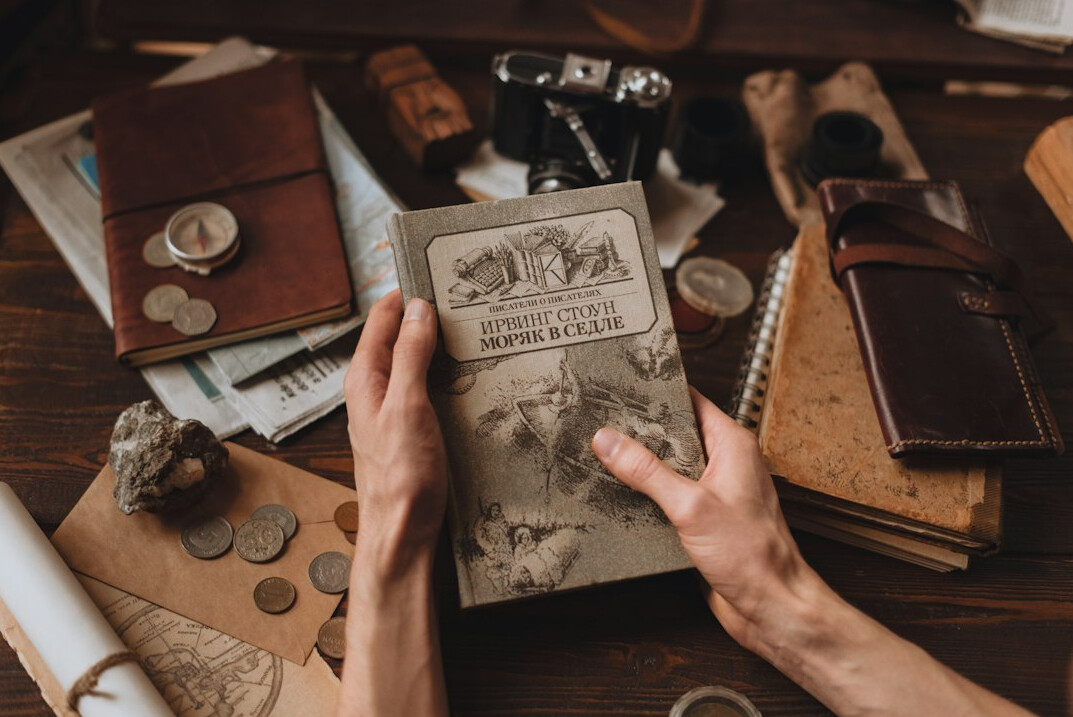
There's something quietly captivating about holding a German collectible edition in your hands. The weight of the paper, the subtle scent of aged leather, and the precision of the printing all come together in a way that modern paperbacks simply cannot match. These books are not just vessels for stories but artifacts that carry the care and artistry of generations of bookmakers.
One of the first things that draws people in is the binding. German publishers have long excelled at creating covers that feel substantial yet elegant. Many editions from the early twentieth century feature embossed designs or gold lettering that catches the light just so. Collectors often speak of running their fingers along these textures, appreciating how each volume tells its own story before you even open it.
The Art of Illustration in German Editions
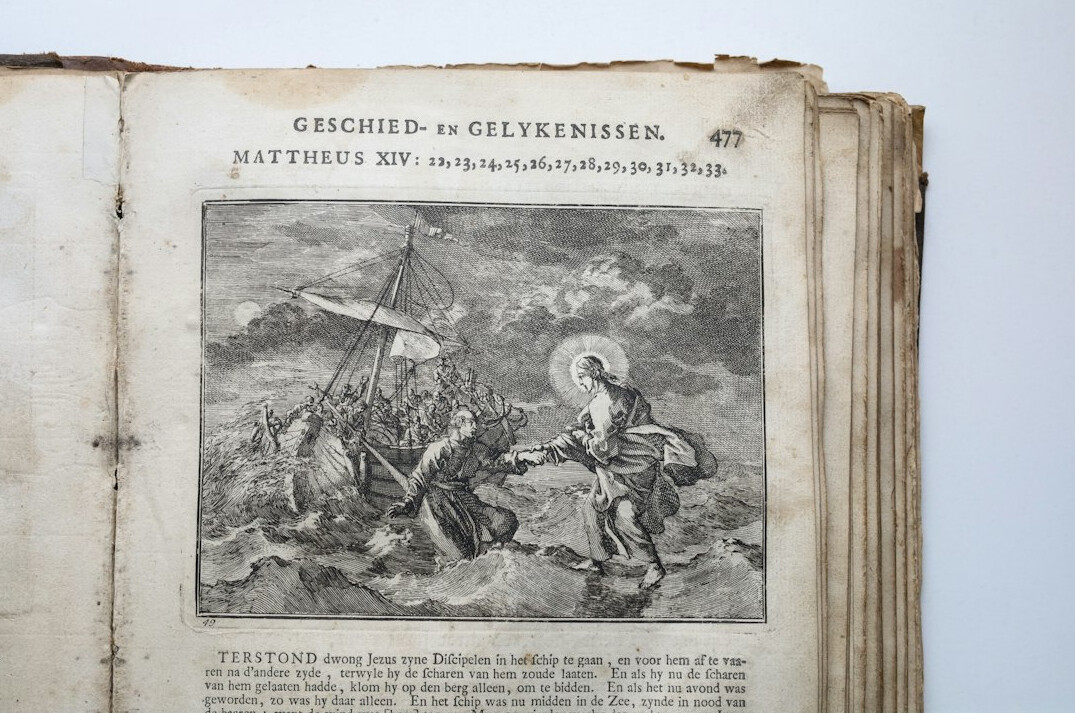
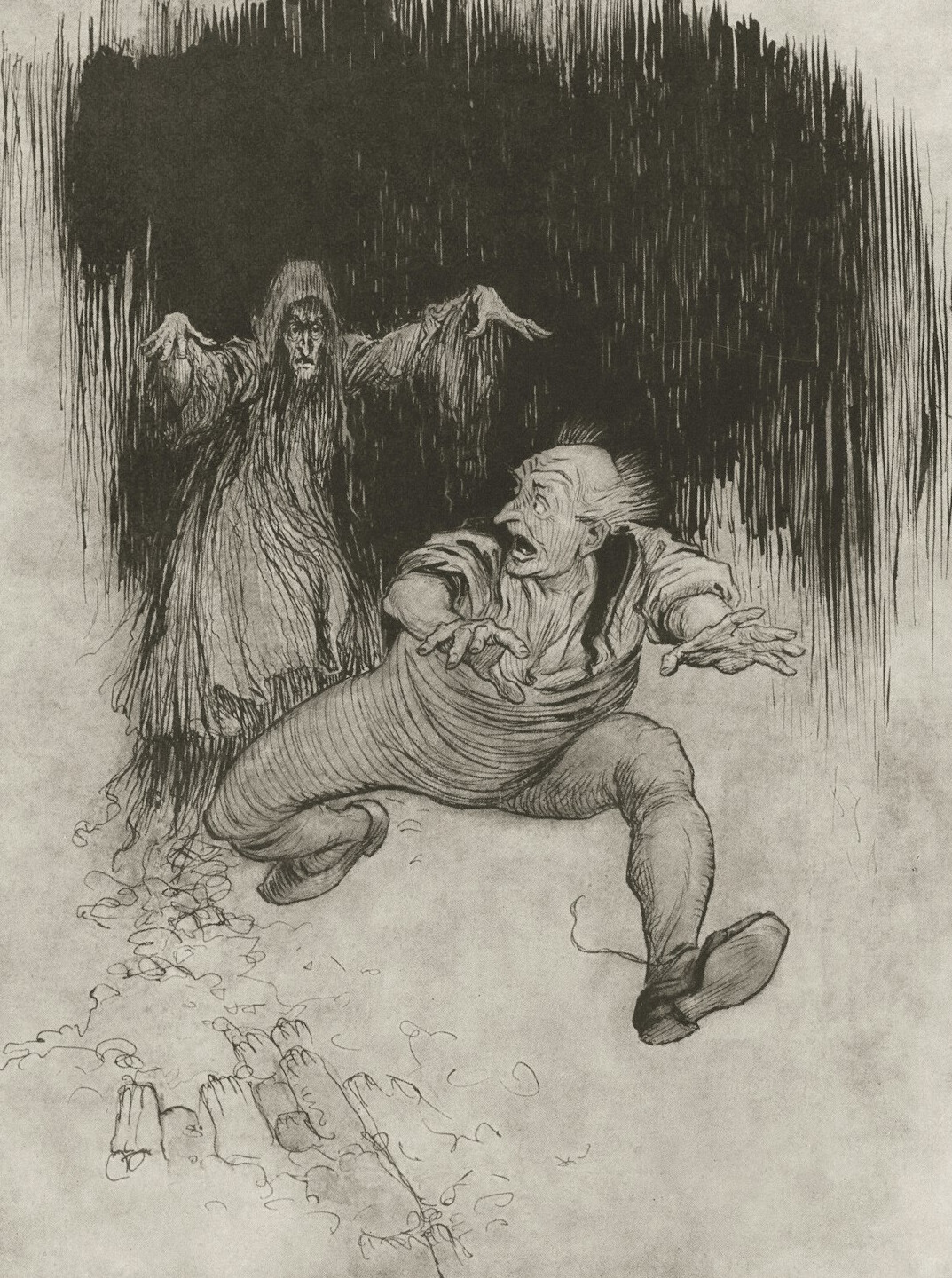
Illustrations add another layer of charm. Artists commissioned for these books frequently brought a distinctive style that complements the text perfectly. Think of the delicate line work in fairy tale collections or the bold woodcuts found in classic novels. These images are not mere decorations but integral parts of the reading experience, inviting you to pause and absorb the visual narrative alongside the written one.
Browsing through a well-curated shop reveals how varied these editions can be. Some focus on limited print runs with hand-numbered pages, while others highlight unique paper stocks that enhance readability. The choice of typeface matters too, with many opting for classic fonts that evoke a sense of timelessness without feeling outdated.
Why Collectors Seek Out These Volumes
Part of the appeal lies in the connection to literary history. German literature boasts giants like Goethe and Mann, and their works in special editions offer fresh perspectives. A collector might own several versions of the same title, each with different forewords or appendices that shed light on evolving interpretations over time. This depth turns a simple purchase into an ongoing exploration.
Each book feels like a conversation with the past, one that rewards slow reading and careful attention.
Condition plays a big role as well. Pristine dust jackets or minimal foxing on the pages can elevate a volume from ordinary to exceptional. Many enthusiasts learn to spot signs of careful previous ownership, such as faint pencil notes in the margins that add character rather than detract from value.
Building a Personal Collection
Starting a collection does not require vast resources at first. Focus on one author or era and gradually expand. Visiting specialized shops allows you to handle the books directly, something online browsing can never fully replace. Staff often share insights about particular printings or upcoming releases that align with your interests.
Over time these editions become more than objects on a shelf. They represent moments of discovery and quiet appreciation for craftsmanship that persists despite digital alternatives. Whether drawn to the tactile qualities or the cultural significance, German collectible books continue to enchant new generations of readers.
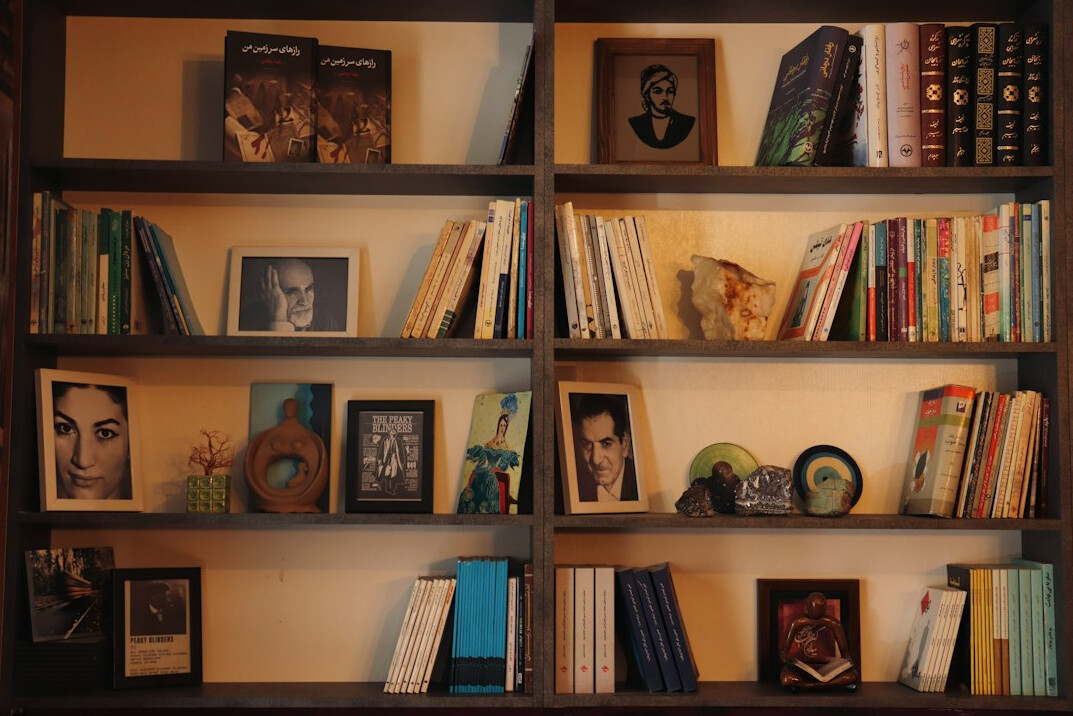
Preservation is another aspect worth considering. Simple steps like keeping volumes away from direct sunlight and using proper supports when reading help maintain their condition for years. Some collectors even invest in custom cases for their most treasured pieces, ensuring they remain protected while still accessible.