
Building a Legacy with German First Edition Finds.
15. August 2026 · Lena Fischer
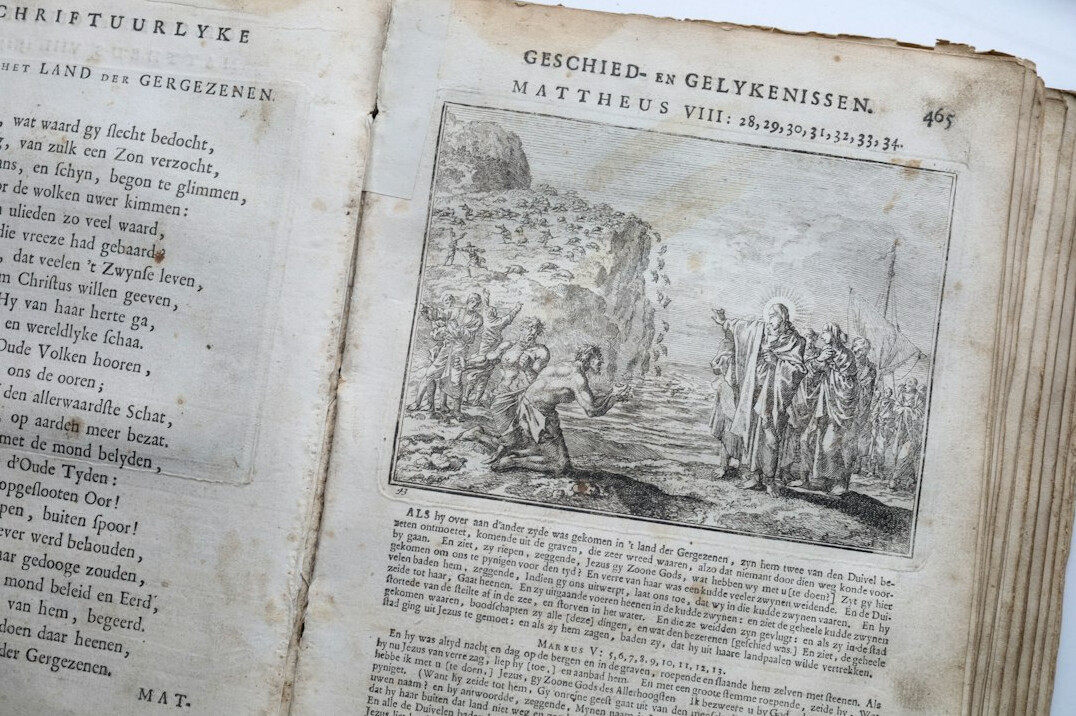
There's something deeply satisfying about holding a German first edition in your hands, knowing it once belonged to someone who valued the words as much as the object itself. These books carry history in their bindings, from the crisp pages of early 20th century novels to the sturdy covers of post-war poetry collections. Collectors often start small, picking up a single title that speaks to them, and before long they find themselves building something more meaningful than just a shelf of volumes.
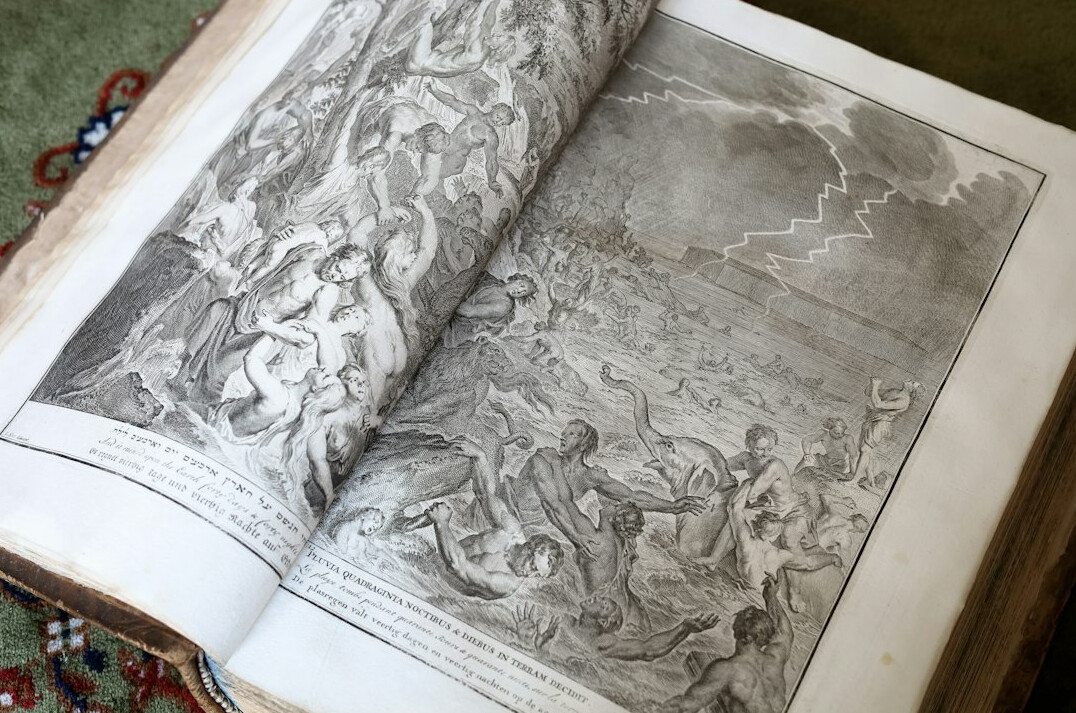
Why German Editions Stand Out
German literature has a rich tradition of craftsmanship in printing and binding that sets first editions apart. Think of the intricate dust jackets from the 1920s or the hand-set type used in limited runs by smaller presses. These details make each find unique and worth preserving. Many enthusiasts focus on authors like Thomas Mann or Hermann Hesse, whose early printings reflect the cultural shifts of their eras. The hunt itself becomes part of the joy, whether browsing quiet shops or connecting with other collectors at small gatherings.
Starting Your Own Collection
If you're new to this world, begin with what resonates personally. A favorite childhood story in its original German printing can anchor a collection. Pay attention to condition, but don't overlook books with a bit of character, like marginal notes from previous owners. These marks tell stories too. Over time, you'll learn to spot the signs of authenticity, from the publisher's imprint to the paper quality that has aged gracefully.
At EncorekLip.net we see collectors return again and again because they appreciate the careful curation behind each offering. It's not just about selling books but helping people connect with pieces that fit their vision for a legacy. Families often pass these editions down, turning them into heirlooms that spark conversations across generations.
Preserving What Matters
Proper care keeps these treasures vibrant. Store them away from direct sunlight and handle them with clean hands to avoid oils on the pages. Some collectors invest in custom cases for particularly fragile items, while others simply rotate their displays to enjoy different titles throughout the year. The goal is to keep the books alive as part of daily life rather than locked away.
Every first edition carries the weight of its time, and adding one to your shelves is like adding a chapter to your own story.
Over the years, the most dedicated collectors develop an eye for trends in the market, but they also follow their instincts. A sudden discovery of a signed copy can shift the entire direction of a collection. These moments remind us why we pursue this hobby in the first place: the connection to the past and the hope of passing it forward.
Building Connections Through Books
Sharing finds with others strengthens the community around these editions. Whether through quiet conversations or organized events, the exchange of knowledge helps everyone grow. Newcomers benefit from the experience of longtime collectors, and in return they bring fresh perspectives. This cycle ensures that German first editions continue to find appreciative homes rather than fading into obscurity.
In the end, a collection of this kind is less about possession and more about stewardship. Each book represents hours of reading, reflection, and care from those who came before. By choosing pieces thoughtfully, you create a legacy that endures far beyond your own lifetime, one volume at a time.